
Automotive technical capability, built where the vehicles actually work.
OtoStrategy is an automotive technical engineering and services company. We give OEMs, importers, dealer networks and fleets the engineering, training and after-sales capability they need — without them having to build a department to get it.
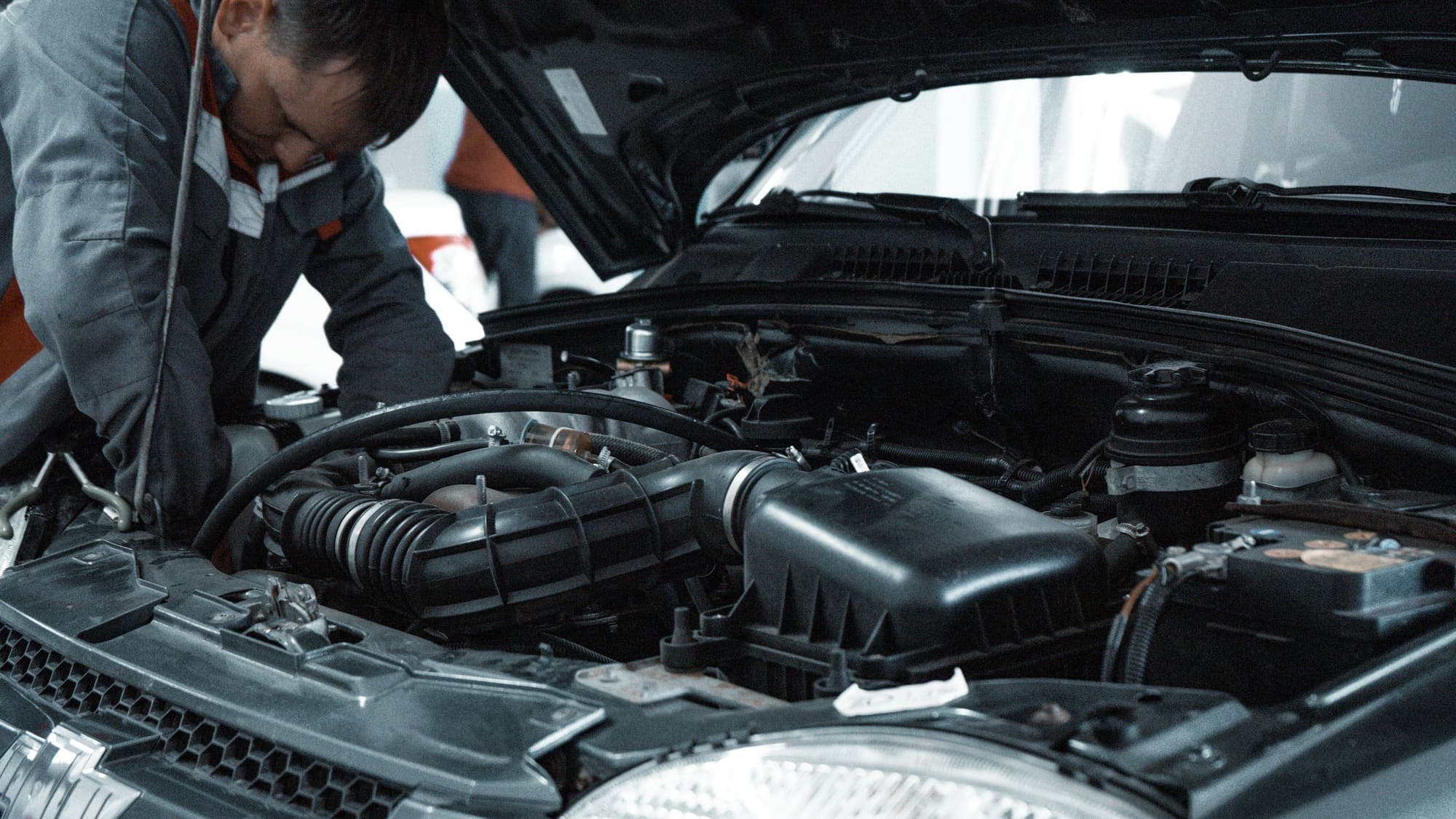
Vehicles our engineers have worked on, in workshops and in the field.
Passenger cars, heavy trucks, buses and high-voltage electric platforms — across after-sales, diagnostics, field engineering and technical training. This is the experience behind every assignment.
- Mercedes-Benz
- Passenger + commercial
- Fuso
- Commercial
- DAF
- Heavy truck
- MAN
- Heavy truck
- Volvo
- Heavy truck
- Yutong
- Bus + electric bus
- King Long
- Bus
- BYD
- Electric
- Zeekr
- Electric
- Ford
- Passenger
- Honda
- Passenger
We sell technical capability, not training hours.
A course delivered at the wrong level changes nothing. So every training engagement begins by measuring where the team actually is on the ladder — and ends with the evidence that it moved.
L1
Beginner
Technicians or learners with limited technical knowledge.
L2
Intermediate
Technicians with basic field experience.
L3
Advanced
Experienced technicians.
L4
Expert
Senior technicians, technical specialists and trainers.
L5
Professional / Engineering
Technical managers, engineers, trainers and specialists.
Seven service lines. One technical partner.
Each is scoped to a defined set of deliverables, quoted per engagement, and usually sold together — an audit finds the gap, training closes it, support keeps it closed.
- ATechnical TrainingBuild competence, not certificates.7 deliverables
- BTechnical AuditKnow exactly where the workshop stands.7 deliverables
- CTechnical SupportThe escalation line for cases that stall.6 deliverables
- DField EngineeringEngineering judgement, on the vehicle.5 deliverables
- EEV / PHEV & High-VoltageMake the workshop safe and capable before the vehicles arrive.5 deliverables
- FOEM Market SupportLocal technical execution for a brand arriving from abroad.7 deliverables
- GFleet EngineeringFewer units off the road.6 deliverables
The same seven phases, on every assignment.
Training, audit, field engineering or OEM support — the project runs the same way, so you always know what has been established and what comes next.
Phase 1
Diagnose
Understand the customer, the vehicles and the operation.
Phase 2
Analyze
Identify the technical and organizational gaps.
Phase 3
Design
Create the solution and scope it.
Phase 4
Execute
Deliver the training, audit, engineering or support.
Phase 5
Measure
Evaluate the result against the objective.
Phase 6
Improve
Recommend corrective actions.
Phase 7
Follow up
Monitor implementation on site.
Built for the full automotive value chain.
From a manufacturer landing its first vehicles in Morocco to a mining fleet that has stopped tolerating the same failure twice.
- Automotive OEMsPassenger-car, truck and bus, and EV manufacturers entering or already operating in Morocco — European, Asian and Chinese.
- Importers & DistributorsNational importers and distribution groups running multi-site dealer and service networks.
- Dealer NetworksFranchised dealers and authorized service points.
- FleetsTransport, logistics, bus, construction, mining, industrial and public-sector fleets.
- Industrial & Large OrganizationsLarge transport operators, energy and mining groups, industrial and logistics companies, public transportation organizations.
Field experience first. Everything else follows from it.
Not a generic training centre, not a workshop, not a consultancy that has never had a vehicle on a lift.
- Real field experience
- Our engineers have worked on passenger vehicles, heavy commercial vehicles, buses and EVs — in workshops, in diagnostics, in after-sales and in training. Not theory collected from a syllabus.
- An OEM mindset and a workshop reality
- We understand what the manufacturer requires and what the local workshop can actually do on a Tuesday afternoon. Most of the work is closing the distance between those two.
- A flexible expert network
- Specialists are mobilized per project — heavy-truck, diagnostics, EV/HV, audit, field engineering — so the team on your site matches your technology rather than our payroll.
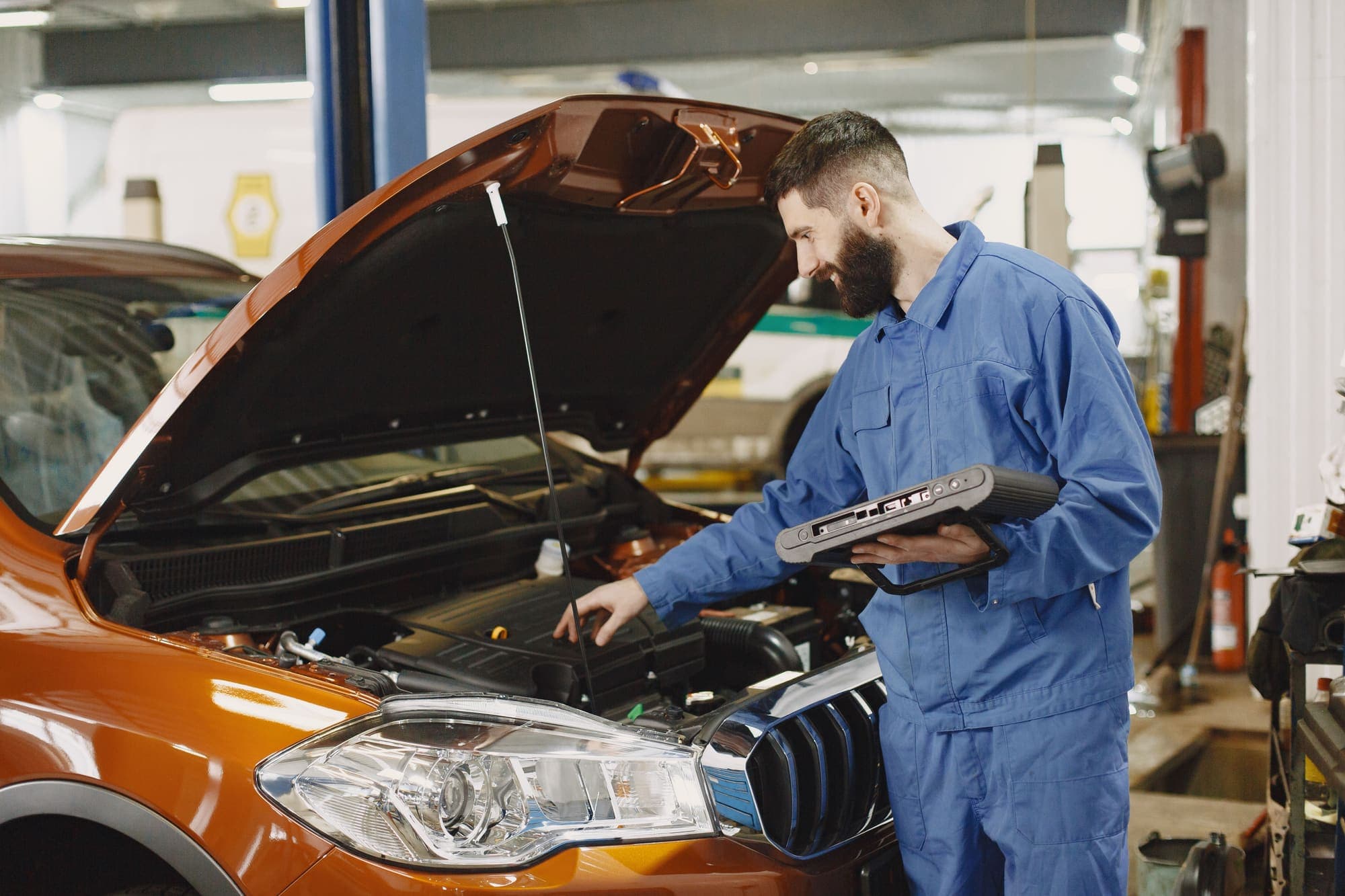
A technical problem, a competence gap, or a technology landing before the workshop is ready.
Tell us which one it is. We will assess it, solve it, and leave the capability behind so your team can manage it without us.